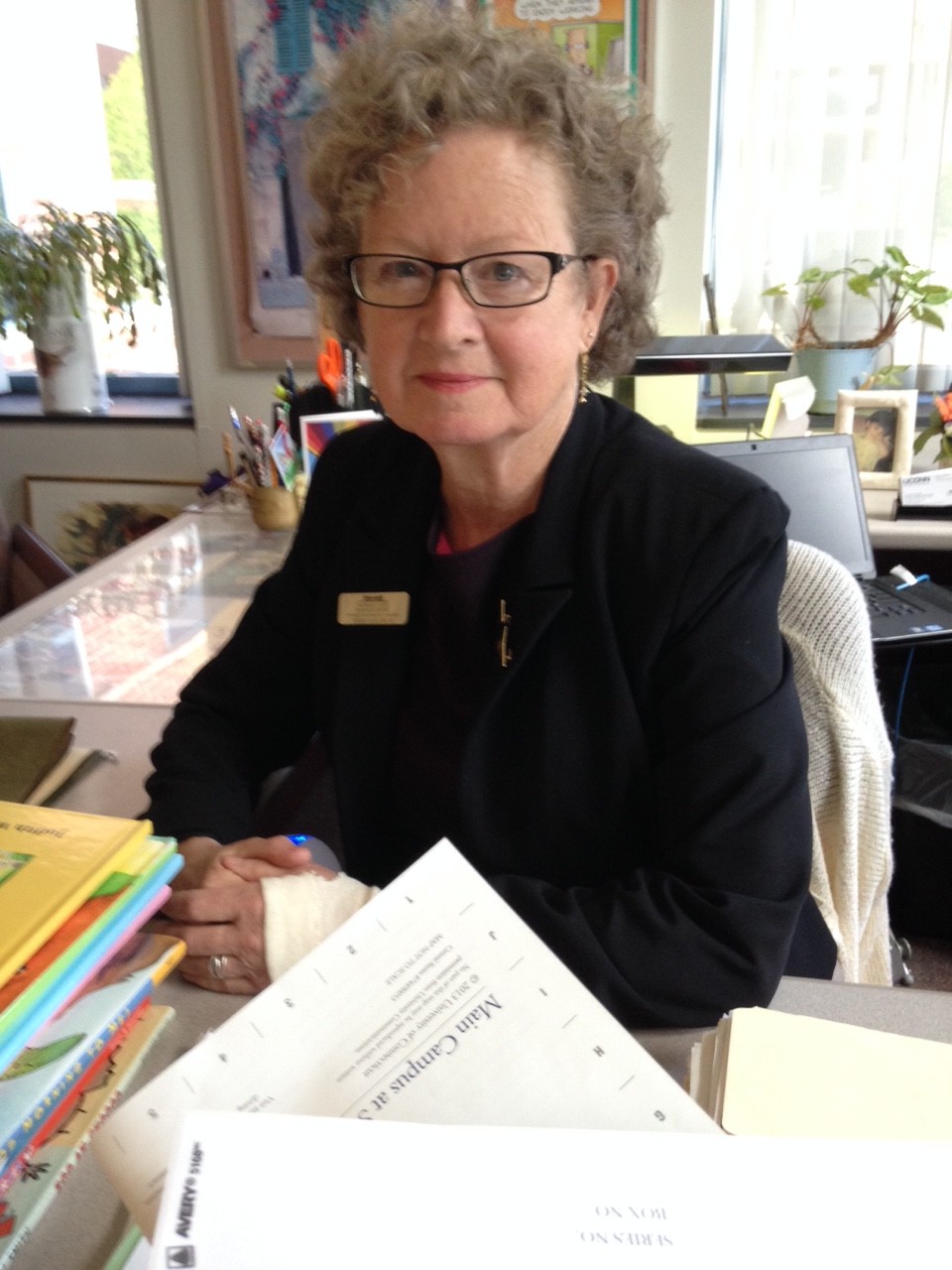
About Laura Smith

Archivist

Celebrating Black History Month

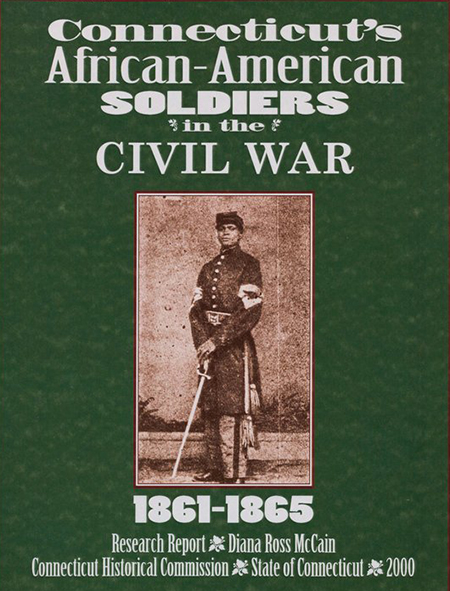
Did you know that William Henry Johnson, the first African-American from Connecticut who volunteered to serve in the Civil War, enlisted in the all-white Eighth Regiment Connecticut Volunteer Infantry in September 1861? Later African-American volunteers from Connecticut generally joined the all-black Fifty-fourth Massachusetts Regiment. It wasn’t until November 1863, as the North’s insatiable need for soldiers intensified, that the Twenty-ninth (Colored) Connecticut Regiment Volunteer Infantry was formed.

Our collections include the publication “Connecticut’s African-American Soldiers in the Civil War, 1861-1865,” written in 2000 by Diana Ross McCain. You can read it in its entirely on our digital repository.

Cover of Connecticut's African-American Soldiers in the Civil War, 1861-1865, by Diana Ross McCain

Merry Christmas!

Merry Christmas, everyone!  Our reading room will be closed for the two weeks between December 21 and January 4 but please contact us at archives@uconn.edu if you have questions about our collections.

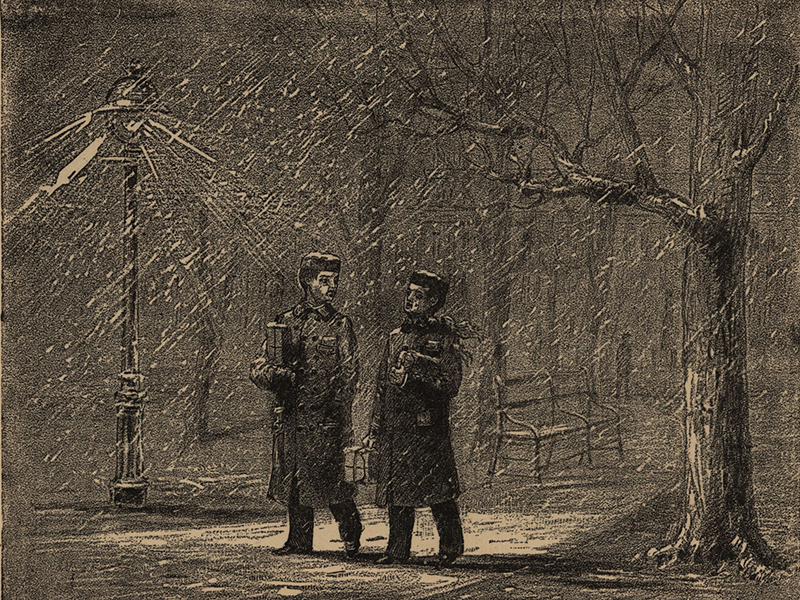
uconn_asc_clc_boyson_1869_scan_of_boys_0001From Christmas Rhymes and Stories, Original and Selected, including a Visit from Santa Claus, by Kriss Kringle, published in 1887.


Happy Hannukah!

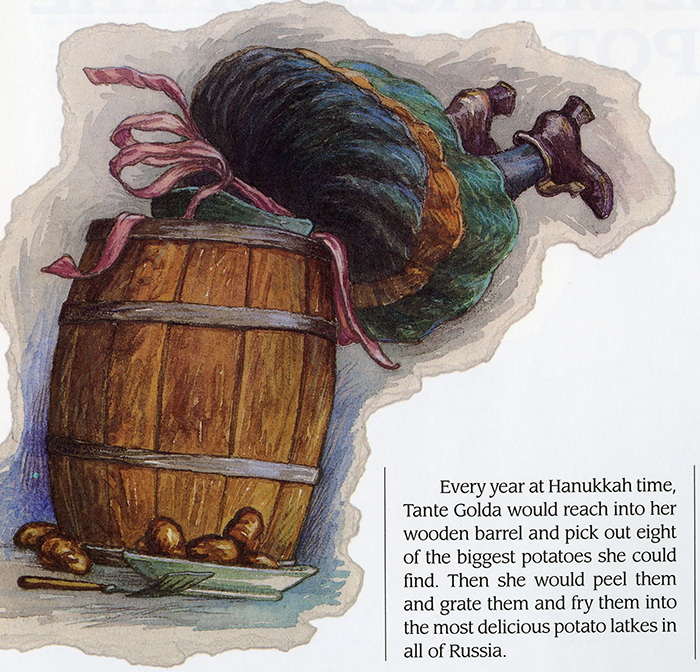
The Miracle of the Potato Latkes, by Malka Penn, illiustrated by Giora Carmi

Here is a page from one of the many holiday books that you can find in the Northeast Children’s Literature Collection. The Miracle of the Potato Latkes: A Hanukkah Story, was written in 1994 by Malka Penn and illustrated by Giora Carmi.  This page from the book is shown here courtesy of the author and illustrator.

Happy Thanksgiving!

We hope everyone enjoys a delicious Thanksgiving!

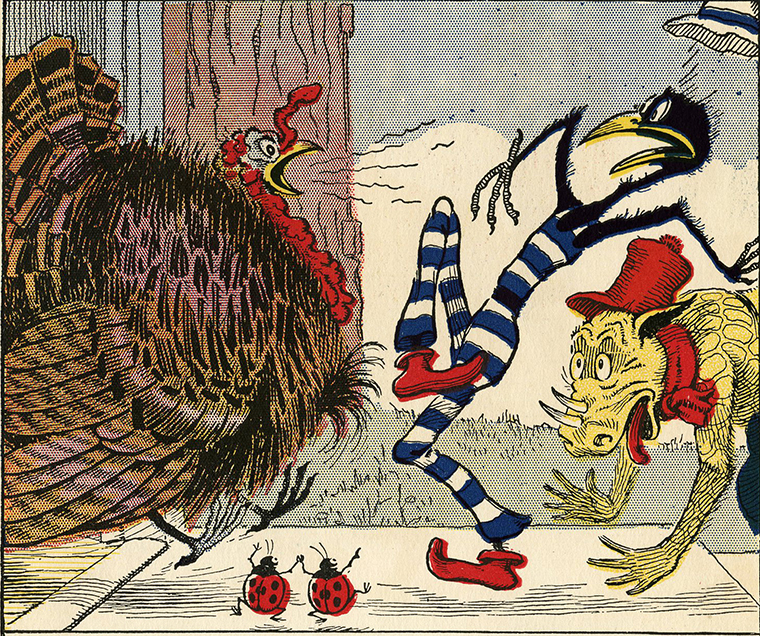
Illustration from Uncle Wigglily's HolidaysIllustration by Lang Campbell in Uncle Wiggily’s Holidays or How Uncle Wiggily Had a Turkey for Thanksgiving and How He Delivered the Christmas Presents and How He Baked the New Year’s Cake, by Howard R. Garis, published in 1920.


Veteran’s Day, UConn style

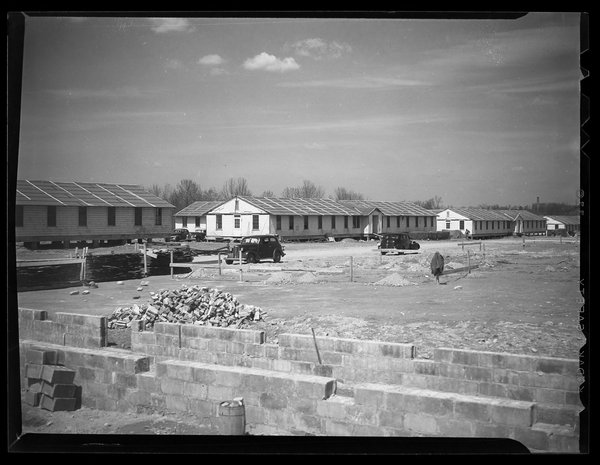
Veteran's barracks, 1946

More than 2000 UConn alumni served in World War II; 114 of them lost their lives in the conflict. After the war the Veteran’s Administration requested that the university accept between 3000 and 4000 returning soldiers as students. In 1946 the campus had 792 veterans enrolled as students (11 of them were women) with another 300 at the Hartford and Waterbury extension campuses and 154 are enrolled in the Law, Insurance and Pharmacy schools. Eleven temporary barracks, nicknamed “Siberia” because of their distance from the main campus, were built on “the site of the former agronomy plots bordering the main road to Willimantic.” This site is now the Fine Arts Complex and E.O. Smith High School.  As more veterans were accepted to UConn more housing was built or found in nearby Willimantic.

Bill Clinton back on campus to accept the Dodd Prize

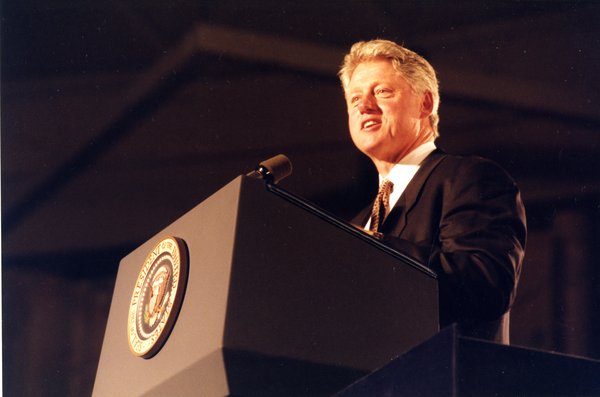
President Bill Clinton came to the University of Connecticut in 1995 to dedicate the Thomas J. Dodd Research Center. He returns today, exactly twenty years later, to receive the Thomas J. Dodd Prize in International Justice and Human Rights, along with the international Human Rights Education organization Tostan.  We’re delighted to welcome him back to UConn!  Here he is at the ceremony on October 15, 1995.

Bill Clinton at the dedication of the Thomas J. Dodd Research Center, October 15, 1995

Bill Clinton at the dedication of the Thomas J. Dodd Research Center, October 15, 1995

Puppets in the reference room!

Puppet exhibit

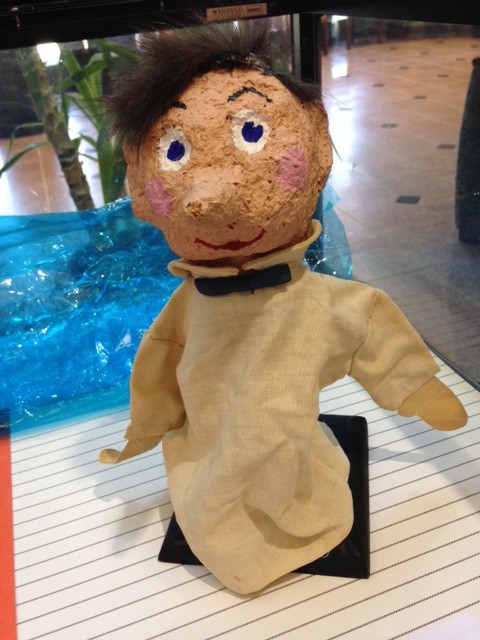
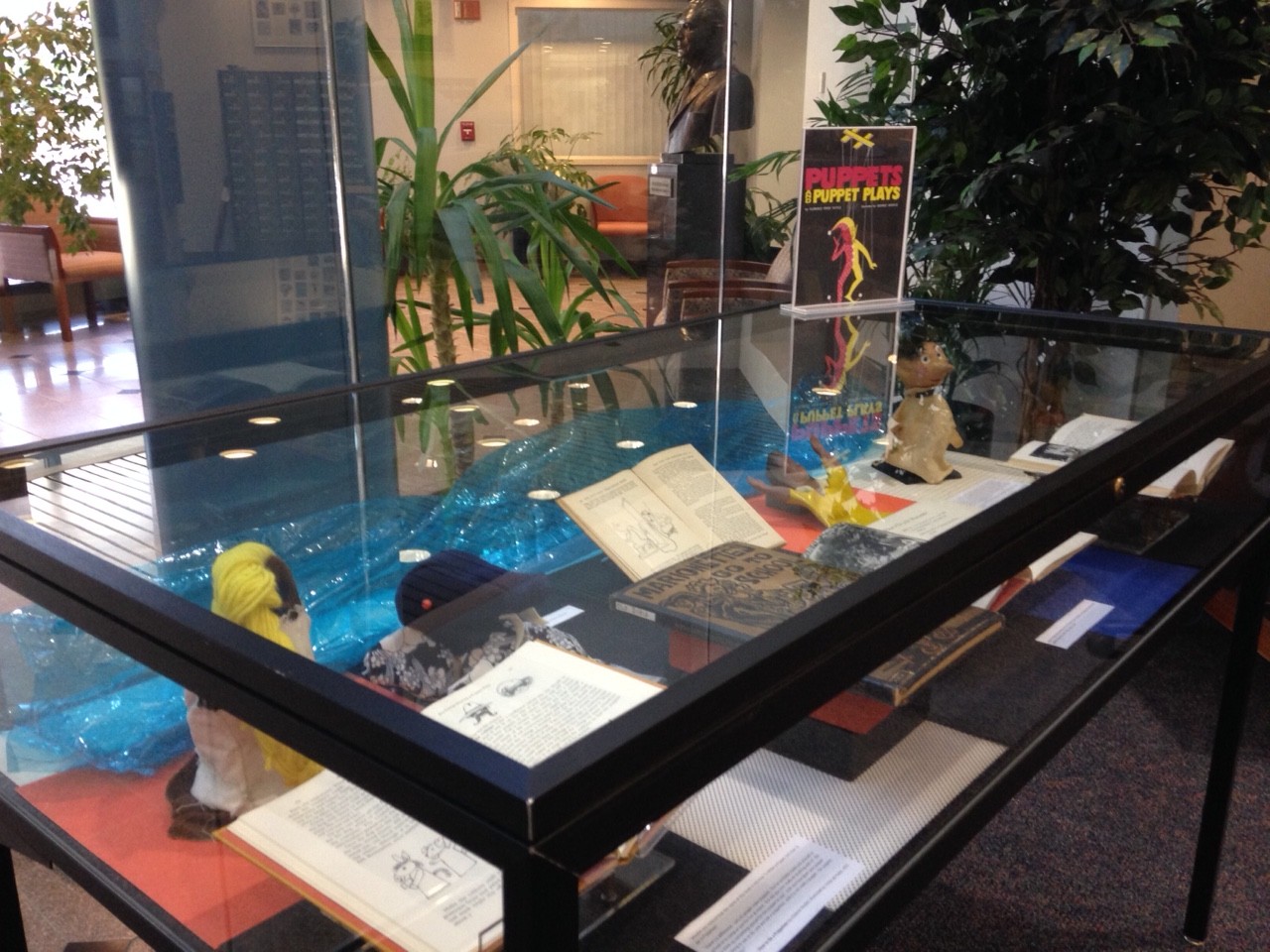
In support of the National Puppetry Festival, we have joined other exhibition venues on campus to show off puppet related materials in our collection.  In the reference room you’ll see books describing how to make puppets of all kinds and the theaters and plays to go with them as well as hand puppets from the Phyllis Hirsch Boyson Artifact Collection.  The show will be up through August 31.

You can view the puppet exhibit during the hours that our reference room is open: Monday through Friday, 9a.m. to 4p.m.

Puppet exhibit

“The most important value of the practice of puppetry for a child is his introduction to the world of art.  In his work, a puppeteer creates and uses many forms of art: he writes, he designs sets, he sculptures his puppets, he costumes them, he uses carpentry techniques to build sets and props, he uses artists’ techniques to color his backgrounds.  The puppeteer also becomes a producer, an actor, and a director; perhaps a singer, a musician, or even a lighting director or stage manager.  On top of all this, the puppeteer must be skillful with his hands; he must be a manipulator of puppets.

The study of puppetry is not just a hobby; it is a most enjoyable initiation to the world of fine arts.”

—Sir George’s Book of Hand Puppetry, George Creegan, 1966

New categories in our Digital Repository!

We’re always looking to improve our new digital repository, either by adding content at a crazy fast pace, or improving the look and design of the pages.  Our latest change is to group the collections by overall topics, to help direct researchers to the main areas under which they are likely to search.  The categories are:

Activism, and include such interesting items as the charter for the International Military Tribunal which led to the Nuremberg Trials to convict Nazi war criminals after World War II, in the Thomas J. Dodd Papers.

Business and Industry, with items such as this employment card for a worker at the Cheney Brothers Silk Manufacturing Company in Manchester, Connecticut.

Cheney Brothers Silk Manufacturing Company employment card

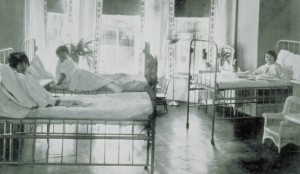
Connecticut History, which includes photographs such as this one from the Ona M. Wilcox College of Nursing Records, of children in the pediatric ward of Middlesex Hospital in Middletown, Connecticut.

Pediatric Ward at Middlesex Hospital

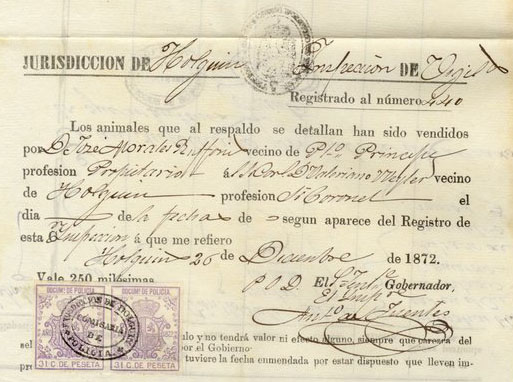
International Culture and Political Movements, which includes many Spanish language items such as this about the Cazadores de Balmaceda Battalion, in the Valeriano Weyler Papers.

Cazadores de Balmaceda Battalion in the Valeriano Weyler Papers

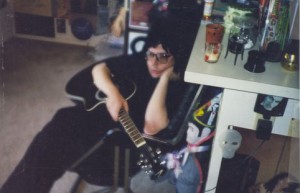
Literary and Artistic Expression has many collections that show the range of human creativity, with such fascinating research items as this photo of Gregg Won in a series of scrapbooks from the Joe Snow Punk Rock Collection.

Gregg Won in the Joe Snow Punk Rock Collection

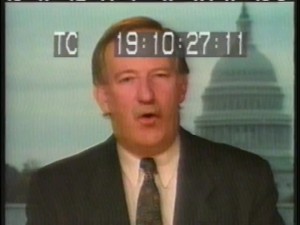
Political Collections hold many different types of materials documenting the lives of Connecticut political figures, including this video recording from the papers of Bruce Morrison, who ran for the office of Governor of the state of Connecticut in 1990.

Bruce Morrison

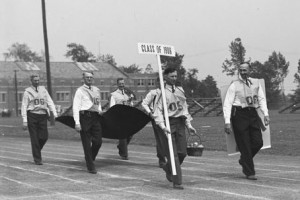
University of Connecticut History includes a vast array of materials chronicling UConn’s history from its formation in 1881 as the Storrs Agricultural School to its current status as one of the highest regarded state universities in the United States. This photograph shows an alumni day parade in 1941.

Alumni Day, 1941

There will be some cross-over among the categories; for example, the Thomas J. Dodd Papers can be found in the categories of Activism as well as Political Collections.

You can also browse the materials by types of media right from the front page.  Options include printed books; manuscripts, pamphlets, periodicals; maps; photographs; audio recordings; and video recordings.

Let us know what you think of these improvements and keep checking for more on the way!

Terri J. Goldich to retire


Terri J. Goldich, June 2015

It is with heavy hearts that we will soon bid farewell to our colleague Terri J. Goldich, who currently serves as Curator for the Northeast Children’s Literature Collection, when she retires on July 1.  Terri has greatly contributed to many successes in Archives & Special Collections and the UConn Libraries, where she has been an employee in many different capacities for the last 38 years.

Hired in March 1977 to participate in the Pioneer Valley Union List of Serials cooperative program, the first ever effort for libraries in the region to automate information about serials, Terri soon moved on to other positions in the UConn Libraries, including as the Connecticut List of Serials coordinator and to serve on the reference and information desks.

Terri was among the first staff in the Thomas J. Dodd Research Center, dedicated in October 1995 by President Bill Clinton, which opened in January 1996 to house Archives & Special Collections.  Her first position in the building was as Events and Facilities Coordinator but she soon became Curator for the Northeast Children’s Literature Collection, and for a time the Alternative Press Collections, working under former Director Tom Wilsted.

Terri’s tenure as Curator for the NCLC was a period of great growth and distinction, as evidenced by an expansion of the archival collections from 30 to its current number of 128 and the acquisition of the papers and illustrations of such well-known authors and artists as Tomie dePaola, Natalie Babbitt, Richard Scarry, and Suse MacDonald.  Terri was also responsible for the great growth of the children’s book research collection from 13,000 to 46,000 under her oversight.

Terri played a pivotal role in the prominence and popularity of the Connecticut Children’s Book Fair, held the second weekend in November every year since 1992.  Terri joined the Book Fair Committee in 1998 and became Co-Chair in 2006, taking on the responsibilities of fundraising and as a primary contact with the authors and illustrators invited to present their books.

Other important contributions undertaken by Terri while at the UConn Libraries was as a judge of the Rabb Prize, a contest for UConn students in the illustration program, and as head of the library’s Exhibits Committee for many years.

When asked for a noteworthy reminiscence of an event that occurred while at the UConn Libraries, Terri told us that in 1996, on her second day of work in Archives & Special Collections, Tom Wilsted asked her to spend a day with a Norwegian gentleman who turned out to be Dr. Francis Sejersted, the Chair of the Nobel Peace Prize Committee.  Dr. Sejersted was visiting campus to participate in one of the symposia organized around the closing of the Thomas J. Dodd Research Center’s Year of Introspection, in which Soviet President Mikhail Gorbachev also played a part.  He had a free day and wanted to see the local sights; Tom was unavailable and so corralled Terri to act as chaperone.  They scared up a limo and driver and went off on a lovely daytrip to Sturbridge Village.  Terri noted that the Dr. Sejersted had a particular fascination with the sawmill operations.

Terri tells us that after a short visit to her daughter Rose, who currently lives and works in Montana, she plans to enroll in the state’s foster parent program.

Terri’s coworkers will sorely miss her deep knowledge of the children’s literature collections, her spirit of collegiality and kindness, her wicked good party planning expertise as well as her infectious laugh and delightful humor.  We wish Terri the best for her retirement and thank her for her hard work and good humor through her years at the UConn Libraries.