Avatar photo

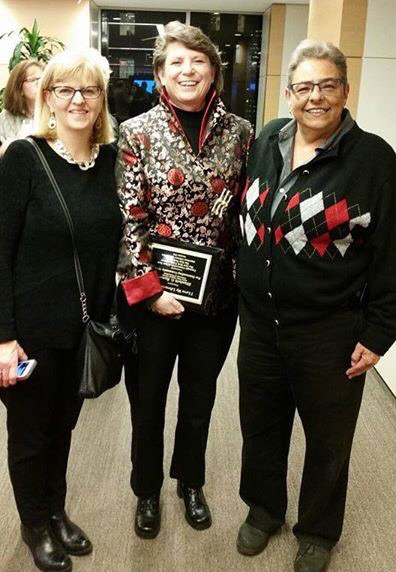
About Jean Cardinale

Jean Cardinale is the head of the UConn Libraries' Public Programming, Marketing & Communications efforts.

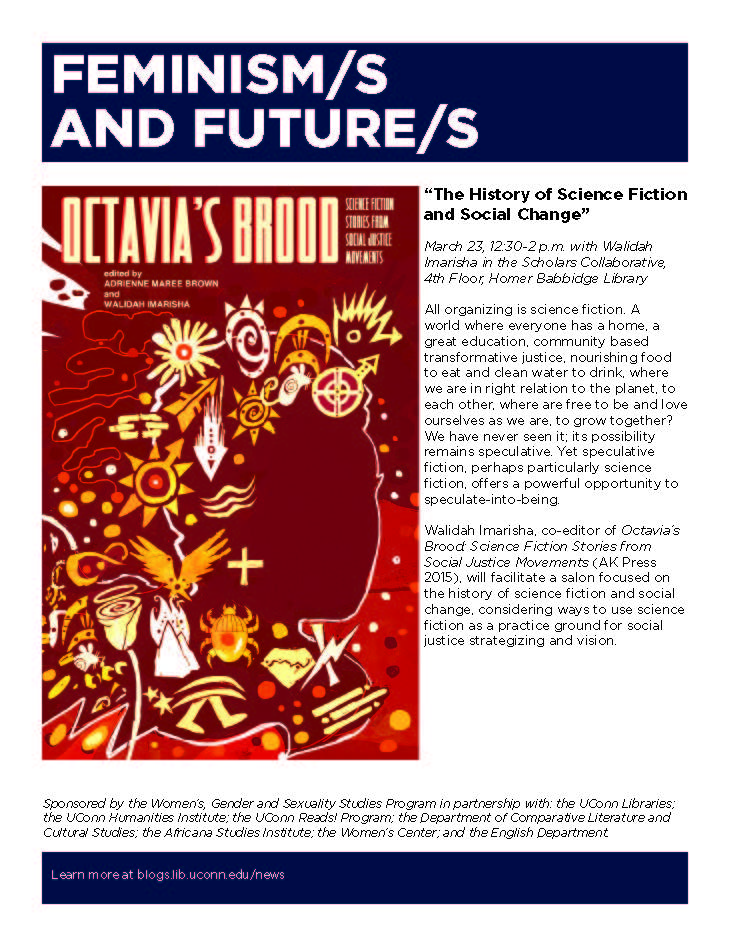
The History of Science Fiction and Social Change

Feminism-s and Future-s_March23All organizing is science fiction. A world where everyone has a home, a great education, community based transformative justice, nourishing food to eat and clean water to drink, where we are in right relation to the planet, to each other, where are free to be and love ourselves as we are, to grow together? We have never seen it; its possibility remains speculative. Yet speculative fiction, perhaps particularly science fiction, offers a powerful opportunity to speculate-into-being.

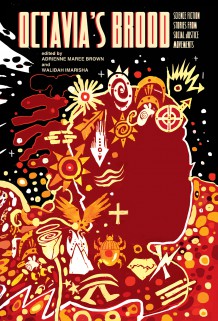
Walidah Imarisha, co-editor of Octavia’s Brood: Science Fiction Stories from Social Justice Movements (AK Press 2015), will facilitate a salon focused on the history of science fiction and social change, considering ways to use science fiction as a practice ground for social justice strategizing and vision.

March 23, 12:30-2 p.m. in the Rowe Building, Room 122 (please note this is a room change.)

This is the second lecture in the Feminism/s and Future/s salons sponsored by the Women’s, Gender and Sexuality Studies Program in partnership with: the UConn Libraries; the UConn Humanities Institute; the UConn Reads! Program; the Department of Comparative Literature and Cultural Studies; the Africana Studies Institute; the Women’s Center; and the English Department.

Library to host Art + Feminism Edit-a-thon

“We change knowledge, we change the world.”

This mantra is a guiding principle of Dr. Alexis Boylan in co-organizing UConn’s  Art+Feminism Edit-a-thon.

Founded on the weekend of International Women’s Day in 2014, this annual event called upon participants at dozens of locations worldwide to edit and create Wikipedia articles on women and the arts. The event aims to address inequalities that have existed in women’s representation on the site.
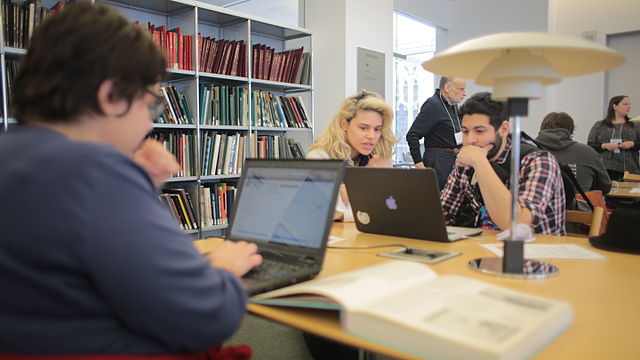
640px-Art+Feminism_Wikipedia_Edit-a-thon_2015,_The_Museum_of_Modern_Art,_New_York_23

Participants work at the Art+Feminism Edit-a-thon 2015 at the Museum of Modern Art in New York. (By TheDasherz – Own work, CC BY-SA 4.0, https://commons.wikimedia.org/w/index.php?curid=38782052)

To help fix this problem, UConn will host their own Edit-a-thon on March 6, and students, faculty and other members of the UConn community will work tirelessly for eight hours to give women artists more visibility on the web.  Boylan, who is an assistant professor of Art & Art History and Women’s, Gender, and Sexuality Studies (WGSS) believes it is a great opportunity for members of the UConn community to make a difference.

Since Wikipedia is crowdsourced, said Boylan, it has been representative of society for a long period of time.

“And historically,” she said, “it has been important to prioritize white male creativity, knowledge and ownership.”

The Edit-a-thon is looking to have members of the UConn community do something about it.

Boylan thinks that UConn is a perfect place for the Edit-a-thon because it is “an incredibly smart campus that cares about knowledge, and people here are willing to give their time to something they care about.”

Boylan added that, especially in the past two years, members of the UConn community have been a presence in the conversation about education and diversity, and this event will be another way to demonstrate leadership in this area.

Faculty, students and anyone who is interested are invited to attend the Edit-a-thon on Sunday, March 6, from 11 a.m. to 6 p.m. in Electronic Classroom 2 at Homer Babbidge Library. In case you weren’t already tempted enough, the event is free and pizza will be provided. Participants are not required to stay for the entire Edit-a-thon, and they may bring a laptop to use if they wish, but it is not required.

No technical experience is needed, according to Kathy Labadorf, WGSS Librarian and co-organizer of the event with Boylan. A wide variety of skills are needed including research and editing, and staff will be on-hand for assistance.

Boylan and Labadorf hope that the impact of the event will reach far beyond the day itself.

“Wikipedia is a living entity, and you can still participate long after the event by editing and adding articles,” said Boylan.

“In today’s world, education is about being a contributor as well as a receiver of information, and this event promotes that,” Labadorf said.

To RSVP for the event, please visit the Storrs Edit-a-thon Wikipedia page.  There, you can register for the event as well as add suggestions to the list of articles that need improvement or expansion.Screen Shot 2016-02-18 at 12.00.41 PM

Researchers – Get Your Data On!

Want to learn about some of the tools out there to help effectively manage and analyze your research data? Ever wondered what OpenRefine, Introduction to R, Data analysis and visualization in R and SQL for data management can do for you?

data carpentry imageJoin us for a two-day Data Carpentry workshop on Mar 7-8 from 9:00 am-4:30 pm and explore basic concepts, skills and tools for working more effectively with data. This will be focused on ecology/natural resources research data but anyone is welcome to attend. UConn participants can register for either the UConn Associate or the General seats.

Registration and laptops with specific software are required. Information on both of these be found on the Data Carpentry website.

Want to learn more?

softwarecarpentry_imageOn March 21-22 we will offer a second two-day workshop that will focus on the basic concepts and tools for your research, including program design, version control, data management, and task automation. This will also be focused on ecology/natural resources research data. UConn participants can register for either the UConn Associate or the General seats.

Registration and laptops with specific software are required. Information can be found on the Software Carpentry website.

Feminism/s And Future/s Salons

The UConn Libraries is pleased to be partnering with the Women’s, Gender and Sexuality Studies Program on their upcoming discussion this March.

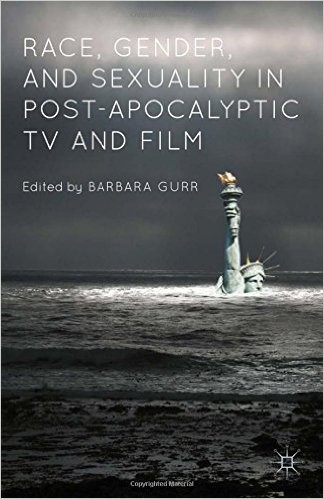
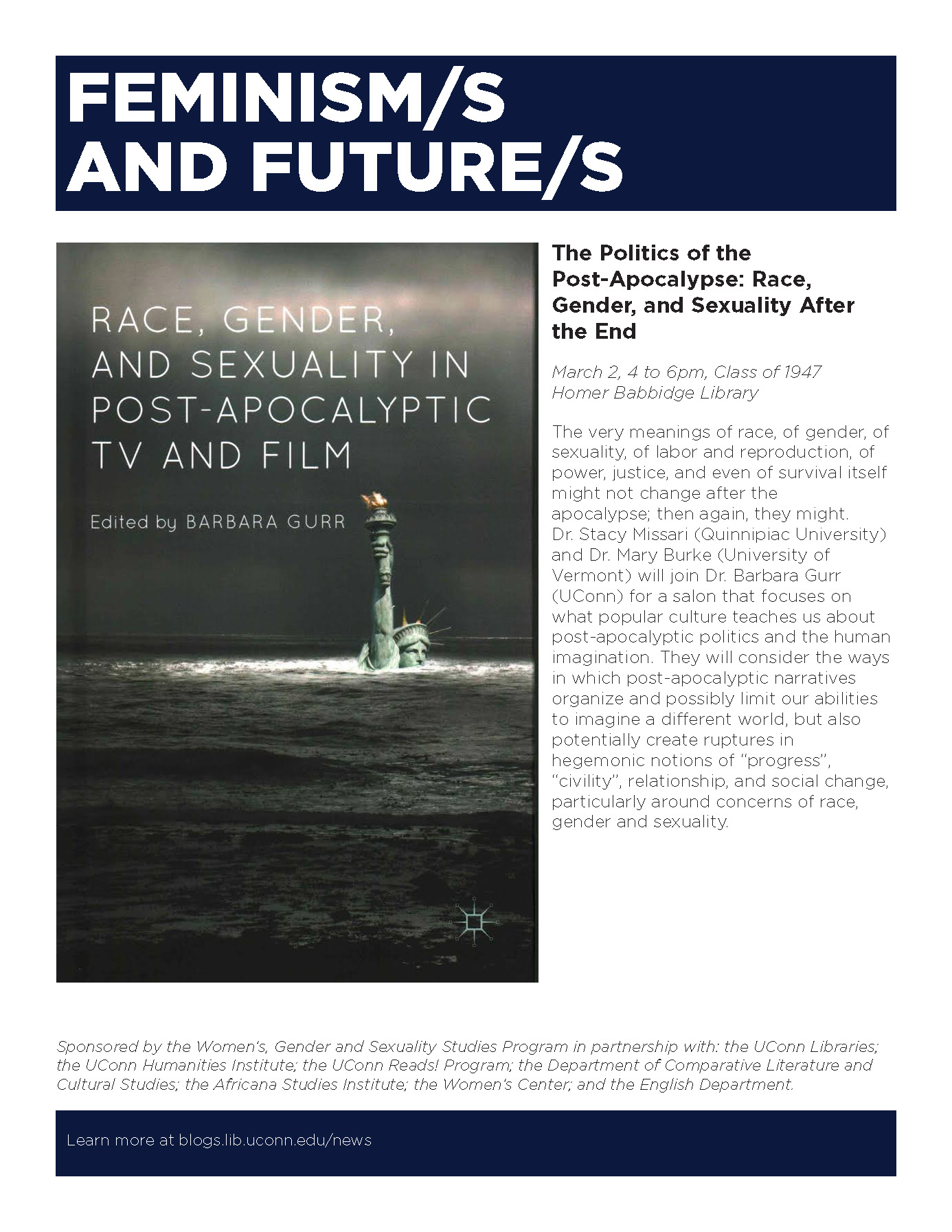
“The Politics of the Post-Apocalypse: Race, Gender, and Sexuality After the End”
March 2, 4 to 5:30pm, Class of 1947, Homer Babbidge Library

Race,Gender & Sexuality Book CoverThe very meanings of race, of gender, of sexuality, of labor and reproduction, of power, justice, and even of survival itself might not change after the apocalypse; then again, they might. Dr. Stacy Missari (Quinnipiac University) and Dr. Mary Burke (University of Vermont) will join Dr. Barbara Gurr (UConn) for a salon that focuses on what popular culture teaches us about post-apocalyptic politics and the human imagination. They will consider the ways in which post-apocalyptic narratives organize and possibly limit our abilities to imagine a different world, but also potentially create ruptures in hegemonic notions of “progress”, “civility”, relationship, and social change, particularly around concerns of race, gender and sexuality.


The second salon in the series is titled

“The History of Science Fiction and Social Change”
date tbd

octavias_brood_postcard_front_final_revAll organizing is science fiction. A world where everyone has a home, a great education, community based transformative justice, nourishing food to eat and clean water to drink, where we are in right relation to the planet, to each other, where are free to be and love ourselves as we are, to grow together? We have never seen it; its possibility remains speculative. Yet speculative fiction, perhaps particularly science fiction, offers a powerful opportunity to speculate-into-being. Adrienne Maree Brown, co-editor of Octavia’s Brood: Science Fiction Stories from Social Justice Movements (AK Press 2015), will facilitate a salon focused on the history of science fiction and social change, considering ways to use science fiction as a practice ground for social justice strategizing and vision.
Both salons are sponsored by the Women’s, Gender and Sexuality Studies Program in partnership with: the UConn Libraries; the UConn Humanities Institute; the UConn Reads! Program; the Department of Comparative Literature and Cultural Studies; the Africana Studies Institute; the Women’s Center; and the English Department.

New Liquid Galaxy technology can take you around the world in seconds

11/5/15 Library Developments By Zhelun Lang Liquid Galaxy based Google Earth helps research.

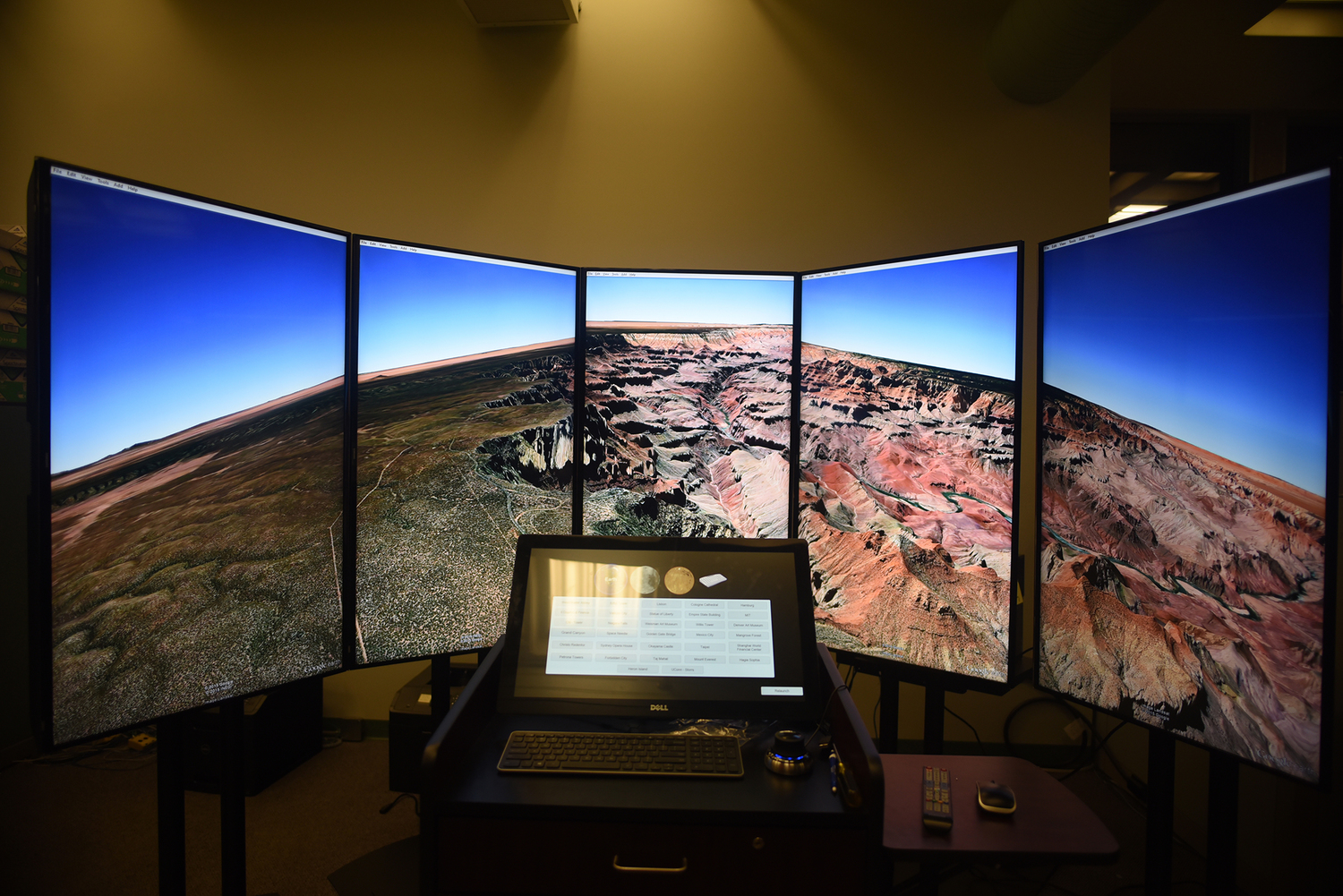
The new Liquid Galaxy technology at Homer Babbidge library promises a diverse range of educational uses. (Photo credit: Allen Lang/The Daily Campus)

UConn students and faculty can now visit the pyramids at Giza, the Amazon rainforest, or the Roman Coliseum all without ever leaving the library.

A Google Liquid Galaxy has just been installed at Homer Babbidge, located on the first floor near the computers, replacing what was previously a print station. It consists of a center console with five monitors facing you in a semi-circle.  Users can type in locations on the touch screen and instantly view places around the world in this immersive Google Earth experience.

“It’s like seeing the world without actually taking a vacation,” said Alec Suprenant, an undergraduate senior who works in library’s IT department and helped with the installation of the technology.

Other universities are beginning to implement the technology as well, and can provide inspiration to students at UConn as they come up with innovative ways to use the Liquid Galaxy. For example, an art history professor at UNC Chapel Hill is using it to better understand the landscape where a medieval aviation experiment took place.

Many different subject areas can find uses for the Liquid Galaxy. For example, geography students can get the literal “lay of the land” and map out changes over time. Those interested in urban planning or architecture can look at cities around the world, while history classes can visit faraway historical sites with a touch of a button. Archaeology professors can virtually transport students to a dig site. Journalism students can even do research or fact checking for their stories by virtually visiting other locations, like the professional journalists at Storyful.com do.

The Liquid Galaxy is sure to inspire future research projects, educational presentations, and new ways of learning and teaching. Many industries are also starting to employ the technology, so students can benefit from learning how to use it early on. For example, real estate companies have been able to virtually showcase properties, and tourism and hospitality workers can give guests an inside look at various resorts and vacation spots.

Or, if none of this appeals to you, looking up your house is always fun.

“I would estimate that when people first see the Liquid Galaxy, about 60 to 70 percent of them look up their house first,” said Suprenant.

Paws to Relax returns for finals week!

Luke

You may be checking out a million articles on Buzzfeed about adorable dogs this finals week, but what is better for easing stress than getting to play with ACTUAL, REAL LIFE DOGS?

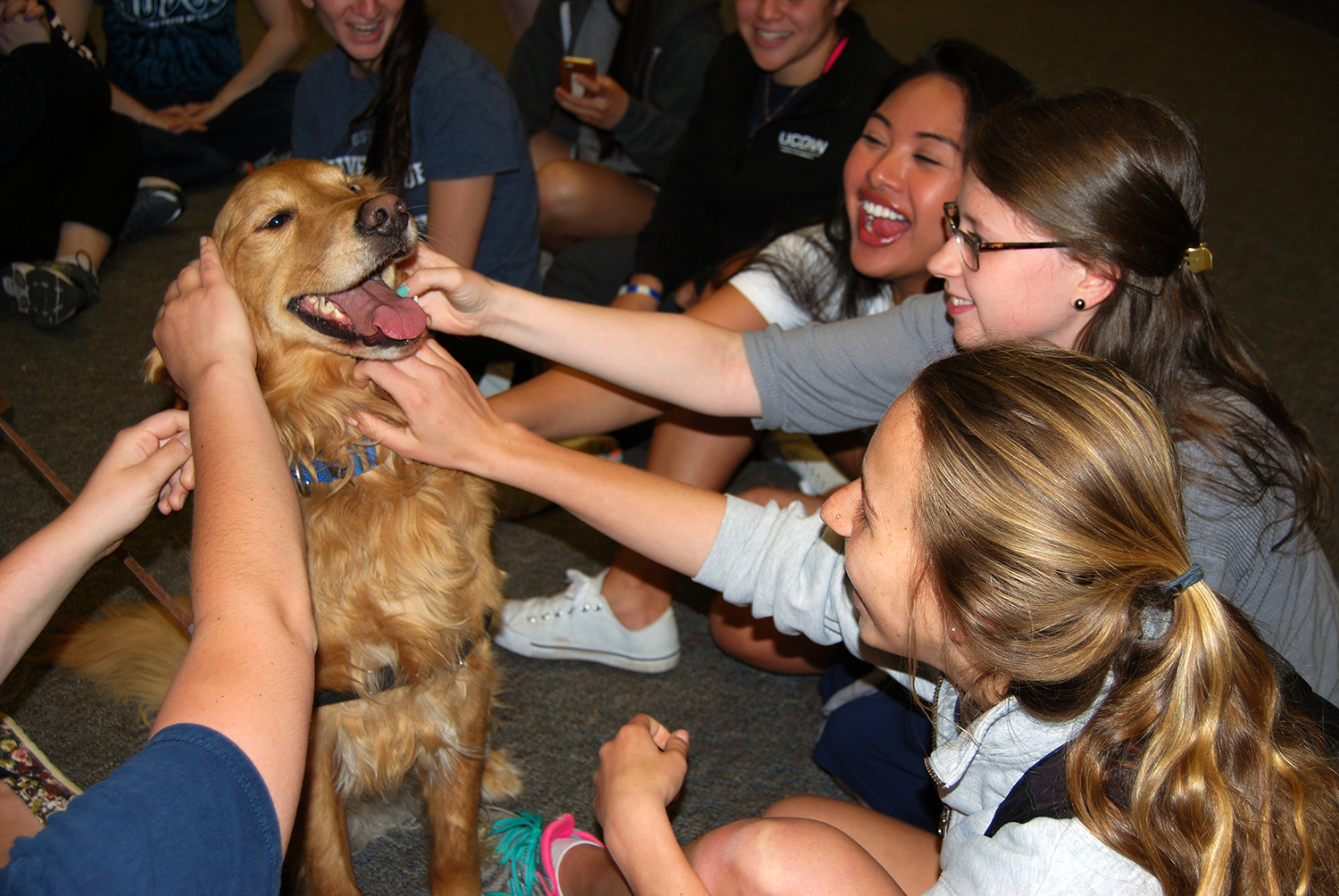
Paws to Relax understands your struggle, and to help you out they will be on Level 1 of Homer Babbidge Library every day during finals week!  The dogs are registered with national organizations dedicated to improving human health through the use of service and therapy.

Here’s the schedule, so you can visit your doggie of choice (or just go see them all):

Monday, December 14th
1:00 – 2:00  Gerri & Suzie (German Shepherd)
2:00 – 3:00  Michelle & Vinny (English Mastiff)
3:00 – 4:00  Nancy & Cooper (German Shepherd)

Tuesday, December 15th
1:00 – 2:00  Paula & Bella (Schnoodle)
2:00 – 3:00  Devon & Rosie (Corgie Mix)
3:00 – 3:30  Laurel & Dooley (Newfoundland)
3:30 – 4:00  Laurel & Iggy (Portuguese Water Dog)

Wednesday, December 16th
1:00 – 2:00  Sandra & Ginger, Nutmeg or Andy (Golden Retrievers)
2:00 – 3:00  michelle & Chase (Golden Retriever)
3:00 – 4:00  Betsy & Barney (Golden Retriever)

Thursday, December 17th
1:00 – 2:00  Michelle & Chase (Golden Retriever)
2:00 – 3:00  Karen & Sebbi (American Cocker Spaniel)
3:00 – 4:00  Laura & Penny (Pomeranian Chihuahua Mix)

Friday, December 18th
1:00 – 2:00  Katherine, Pat & Kammi or Chumai & BamBam (Keeshond & Coton de Tulear)
2:00 – 2:30  Laurel & Dooley (Newfoundland)
2:30 – 3:30  Laurel & Iggy (Portuguese Water Dog)
3:30 – 4:00  Kristine & Duncan (Labrador Retriever)

Library pilots new Mobile Collaboration Stations

collaboration station screen

Sick of doing group studying and projects all huddling around a small laptop screen? Head over to the library!

This week, two “Mobile Collaboration Stations” where introduced to Level 1 of Homer Babbidge.  These stations, paid for through the student technology fee, consist of a large computer touch screen on a rolling stand that can be transported to anywhere on the first floor.

The stations are made to encourage collaboration and convenience.  The touch screen is ideal for using the station like a white board or going through presentations or charts with a group so that everyone can see and participate in whatever is being reviewed.  Student groups can already be seen rolling one over to their own little corner, or testing out the touch screen white board in their spare time.

If they do not want to utilize the touch screen, students can check out a mouse and keyboard from the iDesk on the Plaza Level.

At this point, the stations are only available on the first floor and must be returned to their dock by the Q center after use. However, if people find them useful for academics, library staff will consider adding more to other floors.

Stop by Level 1 and check them out today- they have arrived just in time for all of your group studying sessions for finals!

Subject Specialists- helping you every step of the way

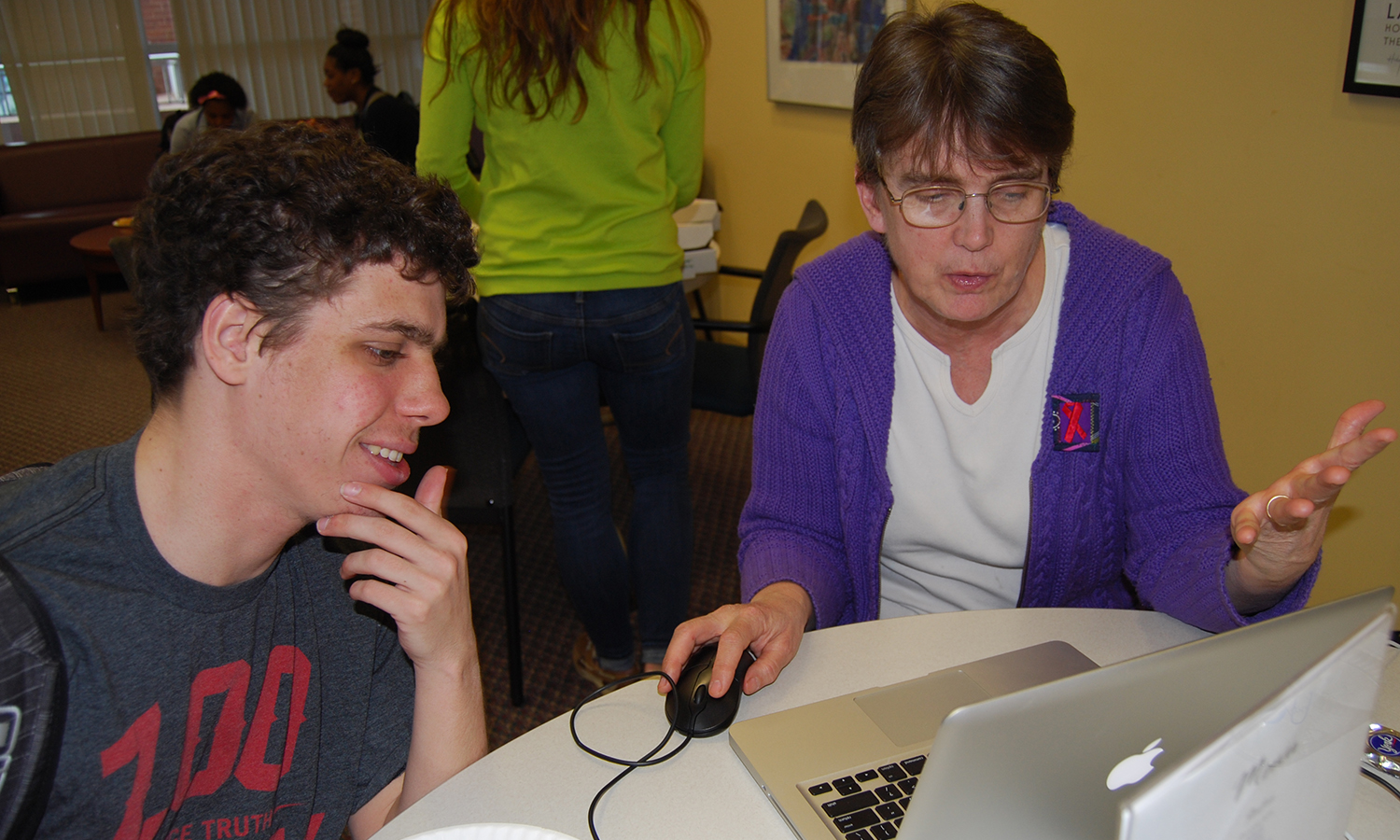
Subject Specialist Kathy Labadorf assists a student with his assignment.

Subject Specialist Kathy Labadorf assists a student with his assignment.

As the semester starts to wind down, that scary due date on your syllabus for that final research paper, presentation or other big assignment gets closer and closer. But don’t worry- you don’t have to go through this alone. The library employs “subject specialists” in over 60 subject areas. They can help you with multiple stages of your paper, from choosing a topic to managing your citations. I sat down with Kathy Labadorf, Reference Librarian and the subject specialist for Women, Gender and Sexuality studies, and she informed me of all that she and her colleagues have to offer students.

  1. Come in as soon as you get the assignment.

Kathy’s most important piece of advice? Don’t wait until the last minute. As soon as you have the specifications for the assignment, come see a librarian. They can conduct what is called a “reference interview” with you where they can ask questions to help you specify or narrow down your topic.

“We want to get you to a place where you have something to start with,” she said.

  1. Find out where to look.

Kathy’s rule of thumb is, “If you can’t find what you’re looking for in 20 minutes, come see us.”

Since the librarians hand pick a lot of the databases and sources that the university offers, they can easily make connections between different information sources to help you find research to support your topic. They know which databases will be good for you and can help you with keywords and search tips. They are constantly searching for new information and are happy to share their findings with you.

According to Kathy, “everything is interesting to a librarian.”

  1. Find out which sources you should trust.

The subject specialists can also help you to evaluate the sources you find. They teach “information literacy” to students to help them learn how to identify things like bias, timeliness and authority that can distinguish a good reference from a bad reference.

Kathy and the other specialists also recognize that you may need some non-scholarly sources as well.

“These can bring in different perspectives. For example, a lot of information and statistics about women come from data from different NGO’s,” she said. The librarians can help you evaluate the legitimacy and value of sources like these.

  1. Make a plan.

Kathy will often do exercises with students like “mind maps” to strategize the organization of research papers.

“We want to make sure you walk out of the door with a plan,” she said. “We want to open the door for you and give you a starting point to continue on.”

  1. Ask from home.

Did you know that you can chat online with a librarian? If you have a quick question, or don’t want to trudge through the snow in the winter to the library, UConn librarians are available to chat on the library website to discuss any questions you may have. If the chat is offline, you can also consult the searchable FAQ, call the library, or send an email.

So if you have a big assignment and don’t know where to start, the subject specialists can help. They are located on the first floor of the library- stop by today!

Congratulation Beth Rumery for your 2015 I Love My Librarian Award

(l to r) Nancy Dryden, Undergraduate Education Services Librarian, Stamford Library; Beth Rumery;  and Sue Shontell, Executive Director, New London Housing Authority

(l to r) Nancy Dryden, Undergraduate Education Services Librarian, Stamford Library; Beth Rumery; and Sue Shontell, Executive Director, New London Housing Authority

Our own Beth Rumery, library director for the Avery Point Campus Library, received the I Love My Librarian Award for her outstanding public service to the community and ongoing commitment to transforming lives through education and lifelong learning. Rumery was one of only 10 librarians within the United States recognized this year for this esteemed honor.

Beth was nominated by Sue Shontell, the Executive Director of the New London Housing Authority for her outreach efforts both to students and faculty at UConn and the community at large. With physical changes to make the library more inviting and a safe location for students to come and discuss issues with sexual orientation, depression and other difficult personal issues, she has created a sense of place within the library. She has also been an active member of the greater Groton community, reaching out to the low income elderly and disabled housing authority and their families. According to the nomination, her work has “opened university speakers to staff and families as a way to reach them and show that they too can go to school, not be intimidated by campuses and connect with their lives.”

As part of the award process, library users nationwide are invited to nominate their favorite librarians working in public, school, college, community college and university libraries. This year more than 1,300 library patrons submitted detailed stories showing how their librarian had an impact on their communities and lives by connecting people with the information access and critical resources they need to succeed in today’s digital age.

Beth received her award, which includes a $5,000 prize, last week at a ceremony in New York City. The event was hosted by Carnegie Corporation of New York, which generously sponsors the award along with The New York Public Library and The New York Times. For more information and a copy of the nomination form, please see ALA’s website at http://www.ilovelibraries.org/lovemylibrarian/2015/15winners

About Carnegie Corporation of New York
Carnegie Corporation of New York was established by Andrew Carnegie in 1911 “to promote the advancement and diffusion of knowledge and understanding.” In keeping with this mandate, the Corporation’s work focuses on the issues that Andrew Carnegie considered of paramount importance: international peace, the advancement of education and knowledge, and the strength of our democracy.

About The New York Public Library
The New York Public Library is a free provider of education and information for the people of New York and beyond. With 92 locations—including research and branch libraries—throughout the Bronx, Manhattan, and Staten Island, the Library offers free materials, computer access, classes, exhibitions, programming and more to everyone from toddlers to scholars, and has seen record numbers of attendance and circulation in recent years. The New York Public Library serves more than 18 million patrons who come through its doors annually and millions more around the globe who use its resources at www.nypl.org. To offer this wide array of free programming, The New York Public Library relies on both public and private funding. Learn more about how to support the Library at nypl.org/support.

About the American Library Association
The American Library Association (ALA) is the oldest and largest library association in the world, with 58,000 members in academic, public, school, government, and special libraries. The mission of the American Library Association is to provide leadership for the development, promotion and improvement of library and information services and the profession of librarianship in order to enhance learning and ensure access to information for all. The ALA administers the I Love My Librarian Award through the ALA’s Public Awareness Office which promotes the value of libraries and librarians.